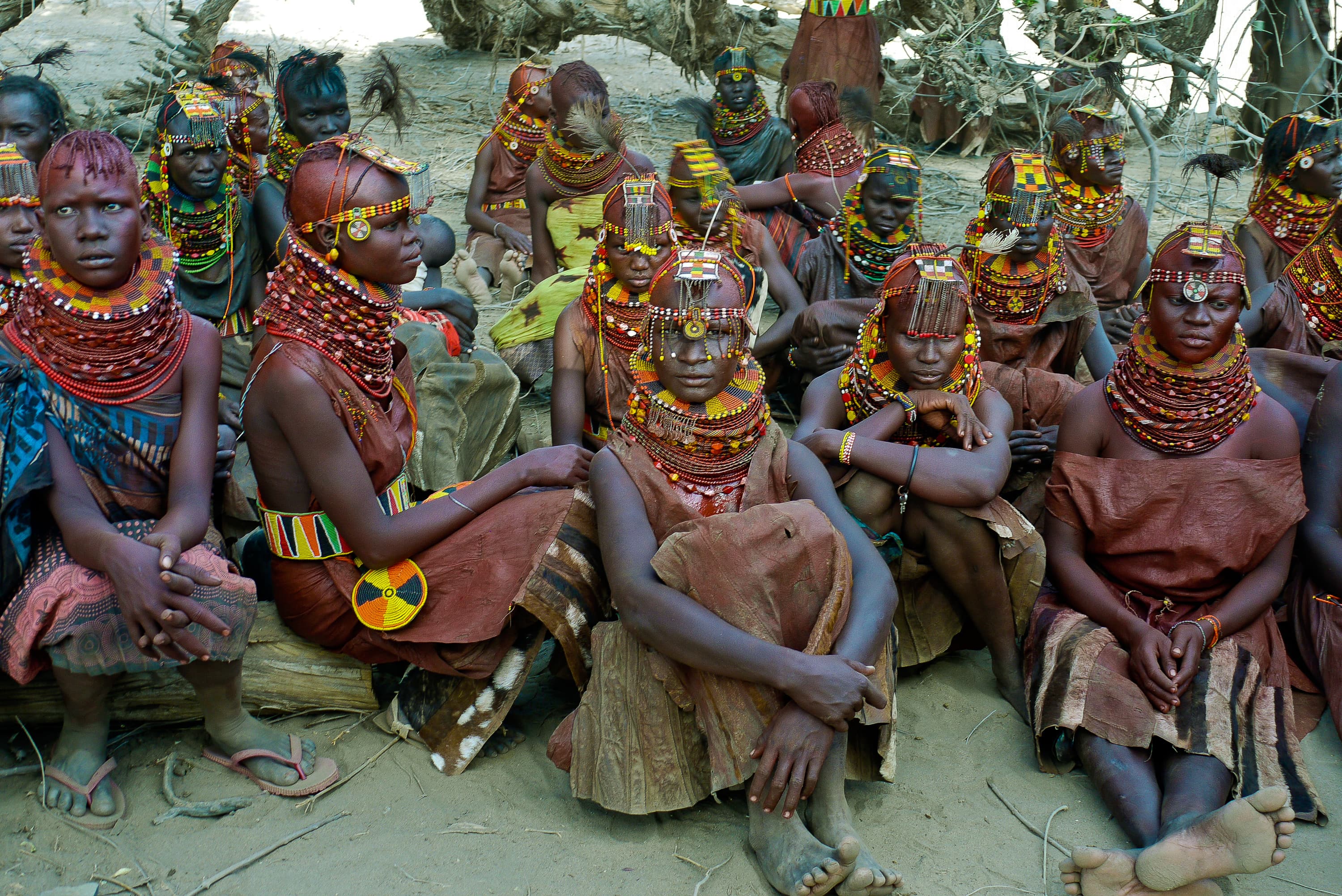
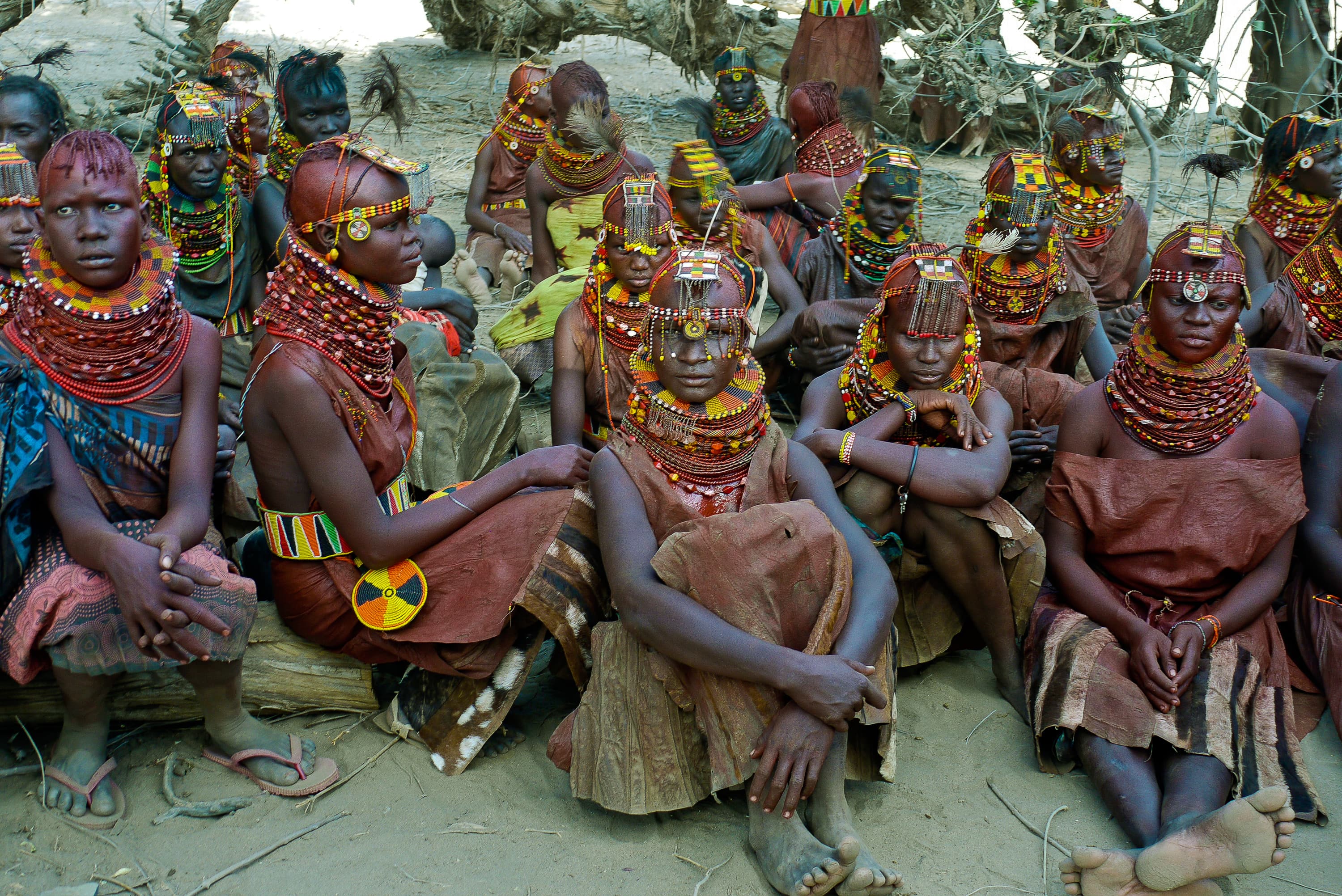
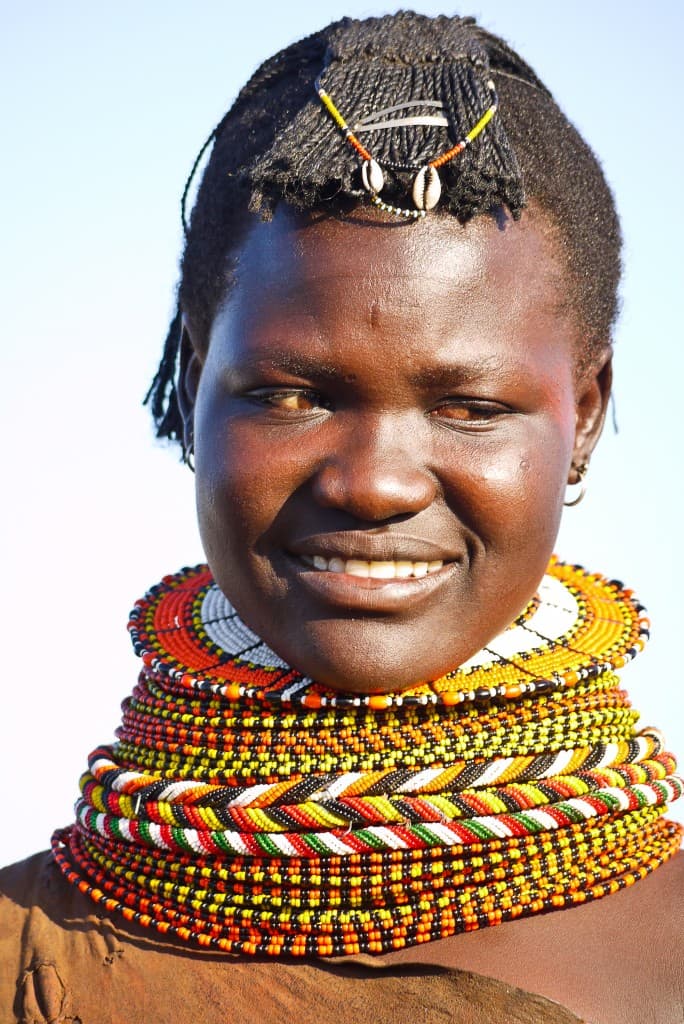
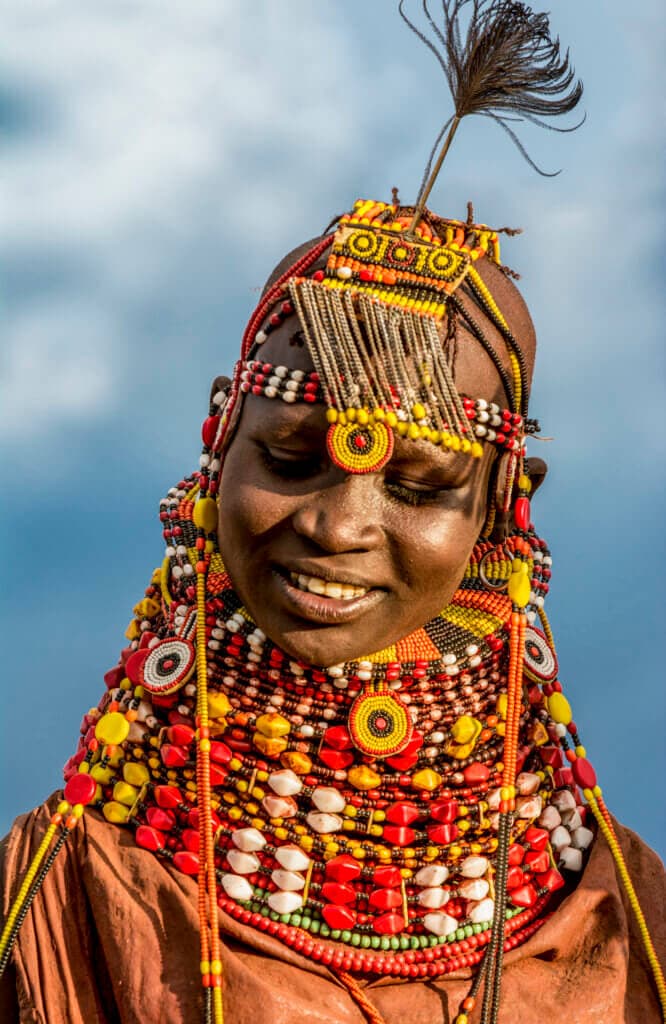
Worn in stacked layers from collarbone to chin, Turkana beadwork is not jewellery set aside for occasions — it is daily dress, and it records a life as it is lived.
“It's the things a woman wears that make her beautiful.”
Historical context
Before glass
Ostrich eggshell has been worked into beads in this region for thousands of years. Shells were chipped into rough shapes, the edges smoothed on stone and a hole drilled through the centre, then used on leather clothing, belts and necklaces to distinguish age group, life stage, occasion and standing. Doum palm seed and fish bone were used the same way. Glass beads came later, along trade routes from the coast, and did not replace the older forms so much as restate them.
Metal, and what it says
The Turkana are the only East African community to work metal into their adornment — iron and copper beads formed into belts worn by married women, where the metal itself indicates the husband's clan. That is the logic running through all of it: the material is not decoration, it is information.
Worn, not displayed
Among herding communities, ornament travels with the wearer — there is no drawer to keep it in. Pieces are built up across years rather than bought as a set, so a stack thickens with age and is restrung rather than replaced.
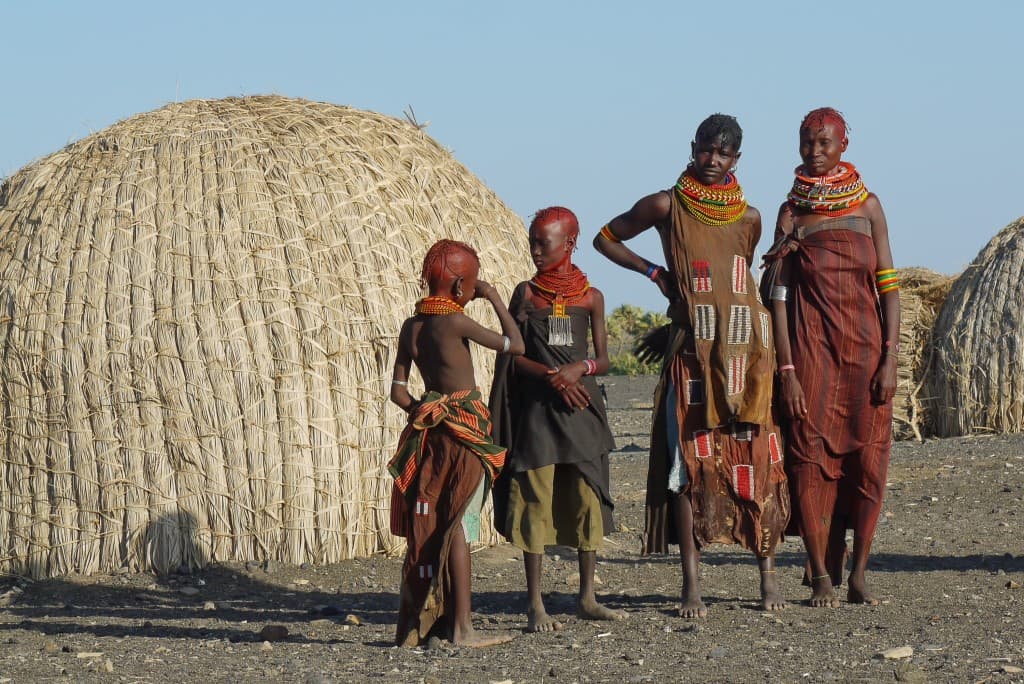
- Added to across a lifetime, not made at once
- Layers read differently by age and marital status
- Worn daily, through work and movement
- Repaired and restrung; rarely discarded
A code, locally held
Unmarried women wear brightly beaded necklaces, belts and medallions; the layers indicate a family's standing and, by extension, what is expected in marriage. Colours carry meaning — white for purity, red and yellow for vitality. These readings vary between families and between parts of the county. They are held by people, not by reference tables, which is why this record is incomplete until those people are interviewed.
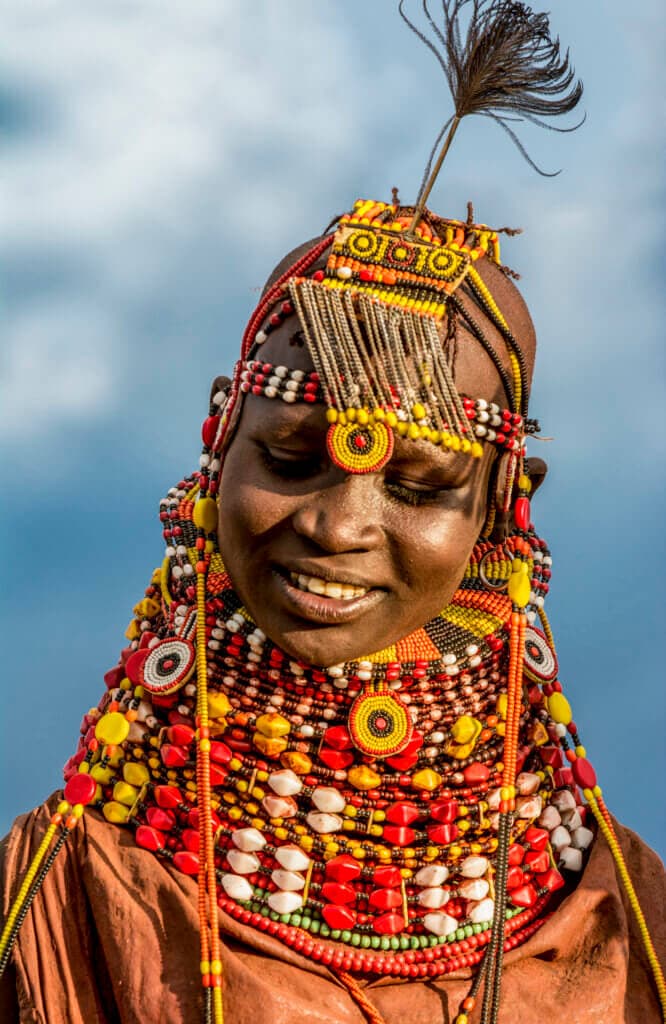
From the collection
6 photographs
Change over time
The same piece. Different hands.
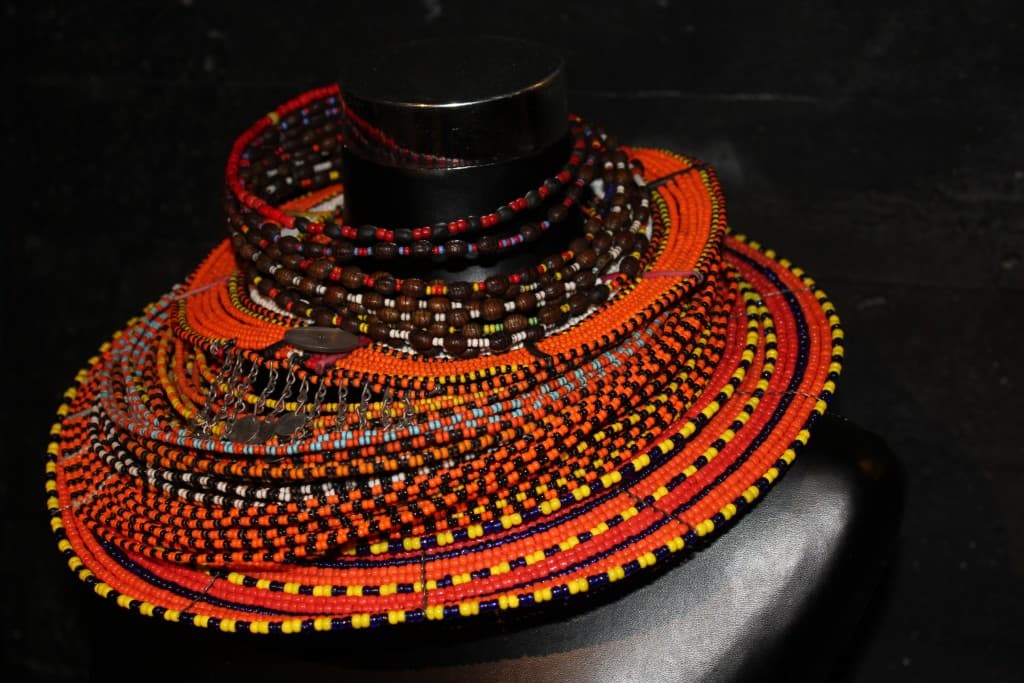 1900
1900Ostrich eggshell, doum seed, fish bone, hide. Iron and copper worked locally
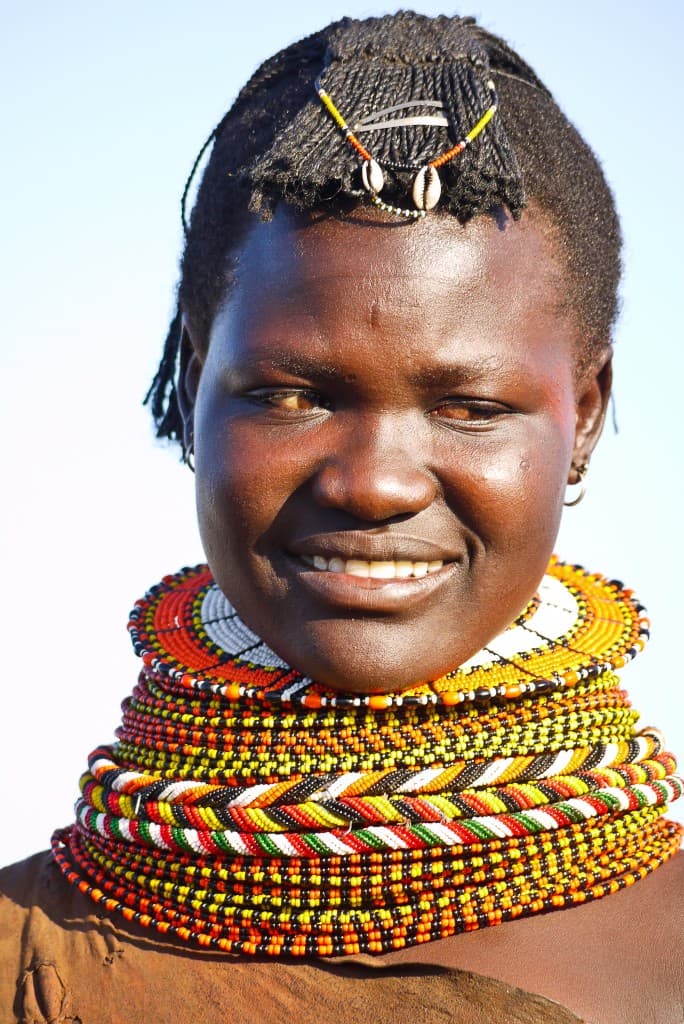 1950
1950Glass trade beads widespread. Denser stacks, stronger colour.
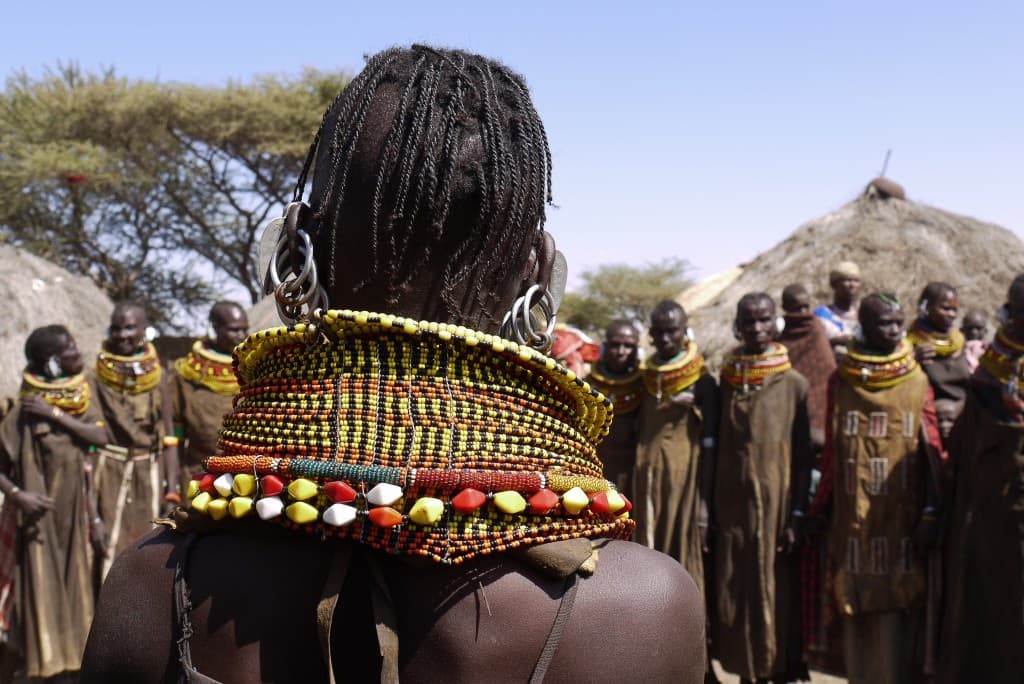 1990
1990Imported plastic and manufactured beads dominant; handmade natural beads increasingly rare
 2026
2026Turkana forms referenced by contemporary Kenyan designers; the question of attribution and benefit now part of the record.
Knowledge holders
The people who carry it
Elder
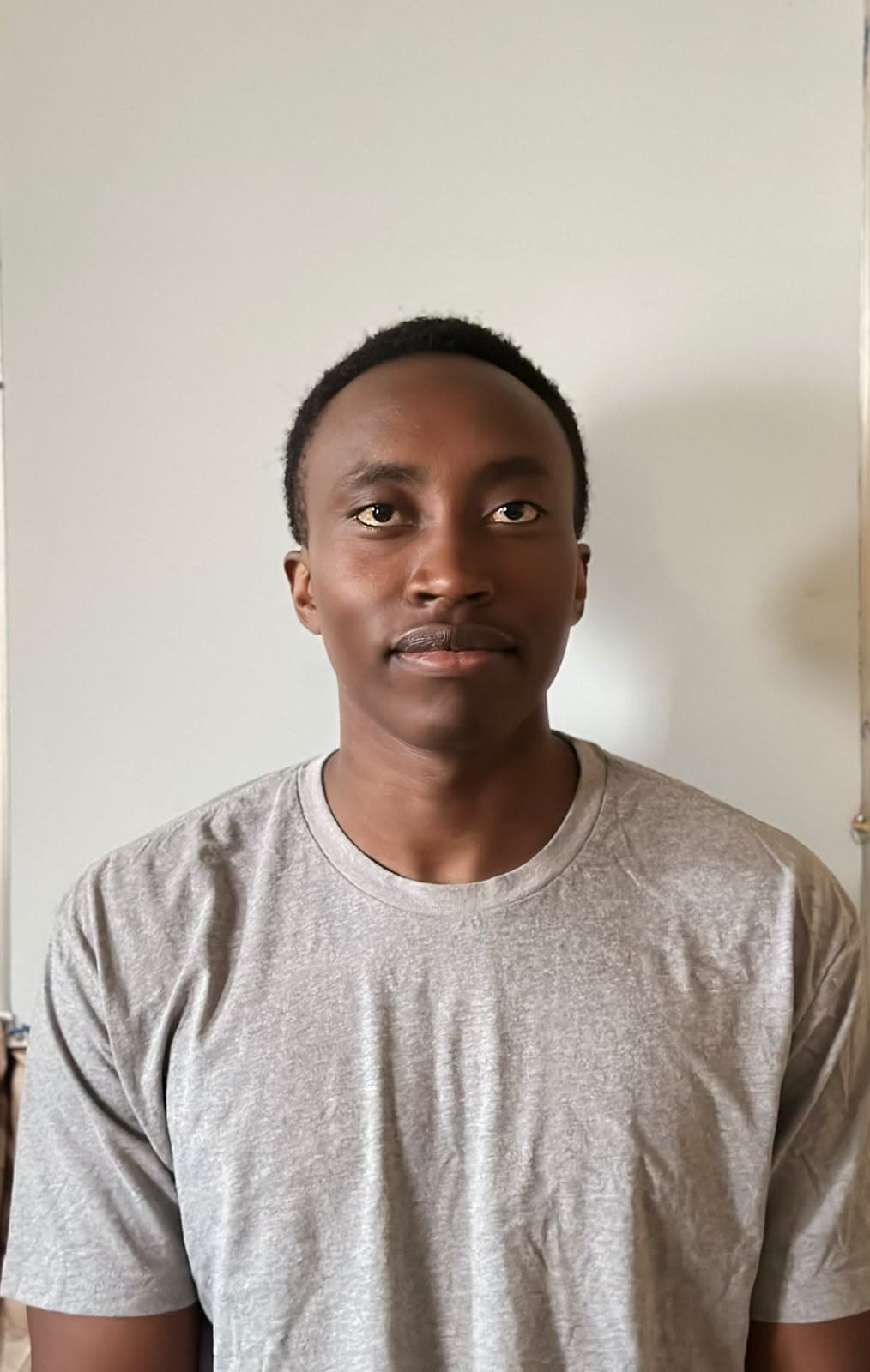
Kelvin Joseph
It's the things a woman wears that make her beautiful.